
You've Spent Years Building Your Wealth. What Comes Next?
Retirement can bring a different set of financial questions — how to approach retirement income, consider investment risk, understand tax considerations, and balance today's needs with tomorrow's goals.
Explore Retirement Income StrategiesAccumulating Wealth Is Only Part of the Retirement Equation.
Building retirement savings and creating a strategy for using those savings can involve very different decisions. As retirement approaches, the focus may shift from simply accumulating assets to understanding how those assets could work together.
How Might Your Assets Contribute to Your Income?
Consider the potential role of different income sources and how they may fit into your broader retirement picture.
How Much Market Risk Makes Sense?
Understand the risks associated with different approaches and how market exposure may affect your retirement strategy.
What Role Could Guaranteed Income Sources Play?
Explore where income sources with contractual guarantees may or may not fit within an overall retirement strategy.
How Might Taxes and RMDs Affect Your Strategy?
Distribution decisions can have tax considerations. Understanding those considerations can help inform planning.
How Can You Balance Income With Long-Term Growth?
Retirement may require thinking about today's income needs while also considering the potential need for future growth.
How Does Retirement Fit Your Bigger Picture?
Income and investment decisions may also connect with liquidity needs, family priorities and legacy considerations.
Retirement Is More Than a Single Number.
The amount you've accumulated is important—but so is understanding how your financial resources may work together once retirement begins.
The goal isn't to identify a single answer for everyone. It's to understand the choices, considerations and tradeoffs that may be relevant to your circumstances.
Start With the Strategy. Not the Product.
Retirement planning doesn't have to begin with choosing a financial product. A more useful starting point may be understanding what you want your financial resources to accomplish—and the tradeoffs that may come with different approaches.
“Which product should I buy?”
“What does each part of my financial plan need to accomplish?”
Goals
Clarify what matters most to you in retirement and what you want your financial resources to support.
Financial Circumstances
Consider your broader financial picture, including assets, income sources, expenses and liquidity needs.
Income Needs
Explore how different resources may contribute to the income you need throughout retirement.
Risk Considerations
Evaluate the types of risk that may affect your retirement strategy, including market and sequence-of-returns risk.
Growth Objectives
Consider whether portions of your assets may need to remain positioned for longer-term growth.
Tax Considerations
Explore how distributions, RMDs and other tax considerations may affect the overall strategy.
Legacy Considerations
Consider how retirement decisions may fit with the people, priorities and legacy goals that matter to you.
Then Evaluate Strategies
Once the objectives and considerations are clearer, potential strategies or products can be evaluated in context.
The objective isn't to find a single answer for everyone. It's to understand the choices and how they may fit your circumstances.
Look at the Whole Retirement Picture.
Retirement income decisions can involve more than one objective. Looking at the different roles your assets may play can help provide a clearer framework for evaluating potential strategies.
Income
How might your assets contribute to the income you need throughout retirement?
Growth
How much of your assets may need to remain positioned for long-term growth?
Risk
Consider the risks associated with different strategies—not just their potential returns.
Taxes
Consider how taxes, distributions and RMDs may affect your overall retirement strategy.
Legacy
Consider how retirement decisions fit with the people and goals that matter to you.
The pieces don't have to serve the same purpose.
Different portions of a financial plan may have different objectives. The important step is understanding those objectives before evaluating how each piece might fit.
Retirement Planning Isn't Always an Either-Or Decision.
Different strategies can serve different purposes. Depending on your circumstances, you may consider different approaches to address different objectives within your overall retirement plan.
“What is the single best product?”
“What role could each part of the strategy play?”
Income
Consider which assets or income sources may be intended to support current retirement needs.
Liquidity
Consider access to assets that may be needed for unexpected expenses or changing circumstances.
Growth
Consider whether portions of your assets may need continued exposure to long-term growth opportunities.
Risk
Understand how different approaches may address market volatility and other retirement risks.
Legacy
Consider how your retirement decisions may fit with the assets and goals you hope to leave behind.
Different purposes can require different considerations.
The objective is not to suggest that one approach is right for everyone. It is to understand the tradeoffs and evaluate potential strategies in the context of your circumstances.
Already Researching Your Options?
You may have already spoken with advisors, researched investment strategies, explored income solutions or considered tax planning. More information can be useful, but it can also raise additional questions.
“How do I compare different approaches?”
Different strategies may emphasize different objectives. Understanding what each approach is designed to accomplish can make comparisons more meaningful.
“How much income do I actually need to plan for?”
Retirement income needs can depend on spending, other income sources, taxes, inflation and how long assets may need to support you.
“How much risk am I comfortable taking?”
Potential return is only one consideration. Market volatility, sequence of returns and the timing of withdrawals can also matter.
“What about taxes and future RMDs?”
Distribution decisions may have tax consequences. Understanding those considerations early can help put different strategies into context.
“Do I need to choose just one approach?”
Not necessarily. Depending on your circumstances, different portions of your assets may have different objectives.
“How do I know what deserves more attention?”
Starting with your goals, financial circumstances and priorities can help identify which questions deserve closer consideration.
More information isn't always the same as more clarity.
A useful retirement conversation can help organize the questions, explain the tradeoffs and give you a framework for evaluating the options available to you.
A Different Kind of Conversation.
Retirement planning can become complicated quickly. Our goal is to help make the questions clearer, explain the tradeoffs and provide information you can use to make informed decisions.
Start With Understanding.
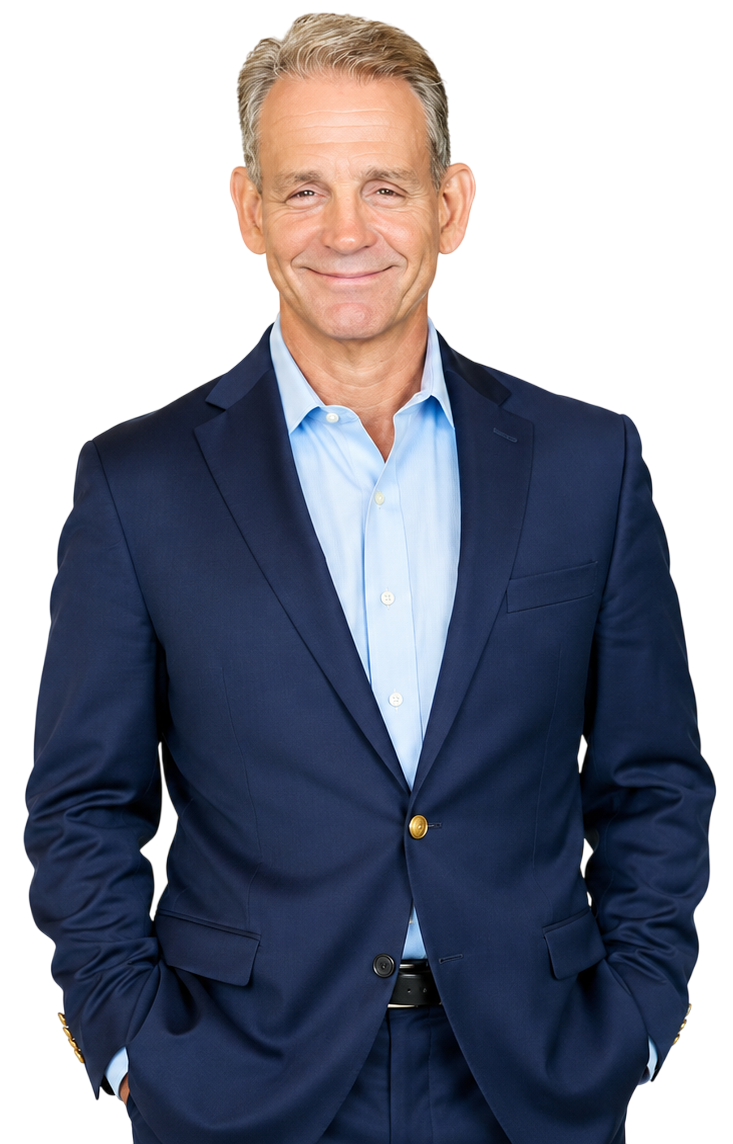
Daniel Rosenberg brings decades of experience working with families, financial professionals and the insurance industry. His approach is centered on education, evaluating different approaches and understanding how different strategies may fit together.
Education Before Recommendation
Understand the concepts, assumptions and tradeoffs before evaluating a specific strategy.
Broad Perspective
Explore available approaches across the marketplace rather than beginning with a predetermined product.
Risk-Aware Thinking
Consider risk alongside potential return, particularly when retirement income is involved.
Fiduciary-Oriented Process
Recommendations, when appropriate, are considered in the context of the client's circumstances, objectives and risk considerations.
The goal isn't to tell you what you should choose. It's to help you understand what you're choosing.
A Retirement Income Conversation May Be Worth Exploring.
Every retirement situation is different. The questions below are simply a starting point for considering whether a broader retirement-income conversation may be useful.
You've Built Meaningful Retirement Savings
You've spent years accumulating assets and are beginning to think more seriously about how those assets may support your retirement years.
You're Thinking About Income
You're considering how much income you may need and where that income could come from once regular employment income changes or ends.
You're Thinking About Market Risk
You understand that market participation can offer growth potential, but you're also thinking about how volatility could affect retirement withdrawals.
You're Comparing Different Approaches
You've researched investments, income strategies, insurance products or other approaches and want to better understand how they compare.
Taxes Are Part of the Conversation
You're thinking about taxes, distributions, Roth conversions, RMDs or how future tax considerations may affect your plans.
You Want to Understand the Tradeoffs
You don't necessarily want a quick answer. You want to understand the reasoning, assumptions and tradeoffs behind different strategies.
An Educational Conversation
A chance to discuss your questions, review the broader retirement picture and learn about considerations that may be relevant to your circumstances.
A One-Size-Fits-All Answer
No single retirement strategy is appropriate for everyone. Any discussion of potential strategies should take into account individual circumstances, objectives and risk factors.
Have Questions About Your Retirement Income Strategy?
A conversation can help you organize the questions, explore the considerations and better understand the strategies that may be relevant to your circumstances.
Tell Us What You're Thinking About
Share a few details about what you'd like to discuss.
Educational information only. This page is not intended to provide individualized investment, tax or legal advice. Strategies and products discussed may not be appropriate for everyone. Individual circumstances, objectives, risk tolerance and financial needs vary.
